

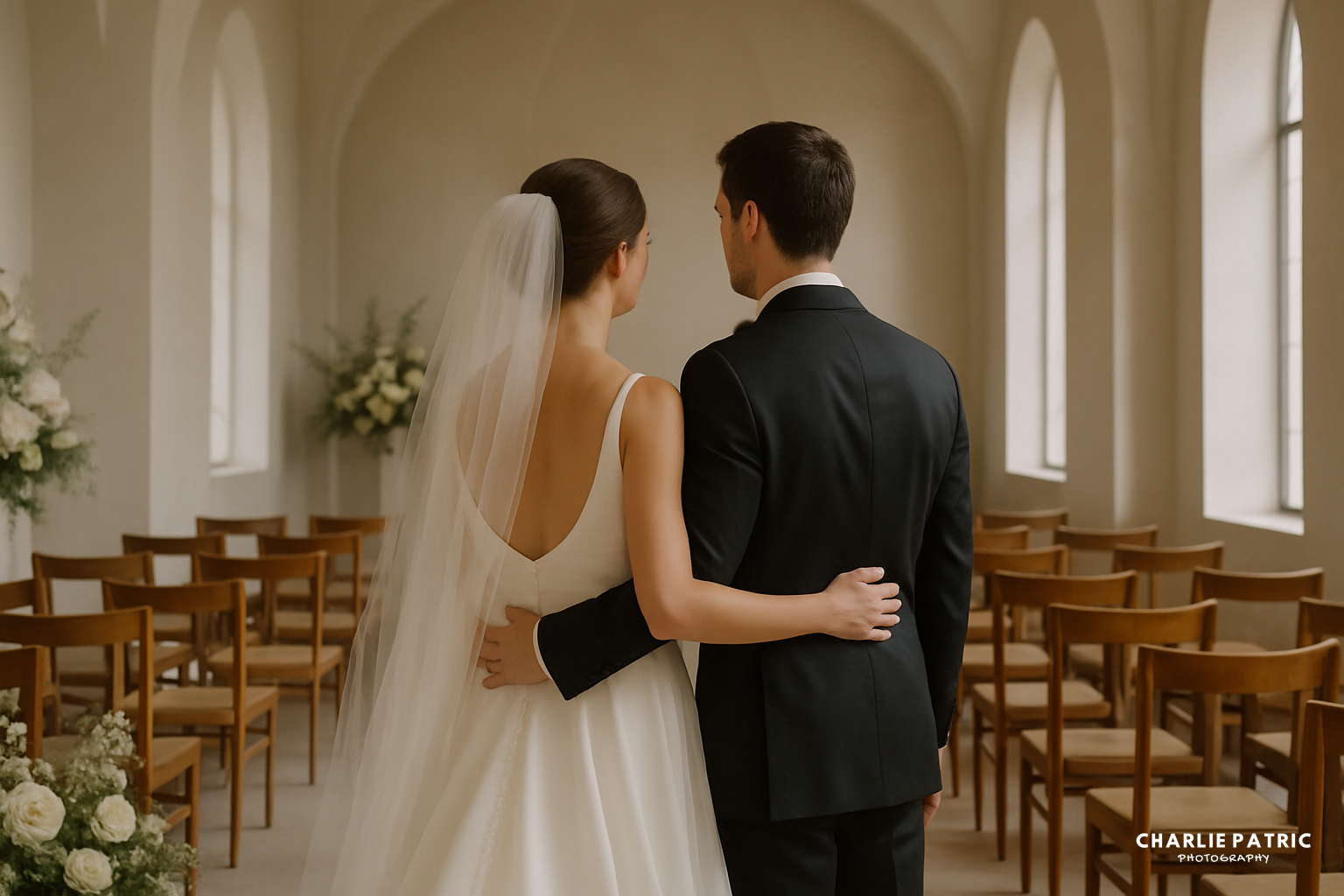
Planning a wedding is a thrilling yet challenging experience. One of the most crucial aspects that often gets overlooked is creating a wedding photography timeline guide. This guide ensures that every special moment of your big day is captured beautifully and efficiently.
Understanding the Importance of a Photography Timeline
A wedding photography timeline guide helps coordinate the flow of the day. It sets the framework for when and where key moments will occur, allowing photographers to be in the right place at the right time. Without a clear timeline, important shots may be missed, leading to disappointment.
Steps to Create Your Wedding Photography Timeline Guide
- Consult with Your Photographer: Start by discussing your desired shots with your photographer. They can provide valuable insights based on their experience.
- List Key Moments: Make a list of all the key moments you want to capture, such as the ceremony, first look, and reception events.
- Factor in Travel Time: Consider the time needed to move between locations. If you’re having your ceremony and reception at different venues, include travel time in your timeline.
- Allocate Time for Each Event: Determine how long each photo opportunity will take. For example, group photos may take longer than individual shots.
- Be Realistic: It’s essential to be realistic about the time you allocate for each segment of the day. If you are planning a large wedding party, ensure you leave enough time for group photos.
Sample Wedding Photography Timeline
Creating a sample timeline can help visualize the flow of your day. Here’s a basic template to get you started:
- 10:00 AM: Bride and bridesmaids start getting ready.
- 11:30 AM: First look between the bride and groom.
- 12:00 PM: Family portraits.
- 1:00 PM: Bridal party photos.
- 2:00 PM: Ceremony starts.
- 2:30 PM: Post-ceremony photos with immediate family.
- 3:00 PM: Cocktail hour begins; couple takes additional portraits.
- 4:30 PM: Reception begins; first dance and toasts.
Communicate the Timeline to Your Vendors
Once you have your timeline set, share it with all your vendors, including the venue coordinator, florist, and caterer. This communication helps ensure everyone is on the same page and that your day runs smoothly.
Prepare for the Unexpected
Even with the best planning, things can go off schedule. Consider building in buffer times between events in your wedding photography timeline guide. This flexibility can alleviate stress on the day of the wedding.
Final Thoughts
A well-crafted wedding photography timeline guide is essential for capturing the essence of your special day. By following the steps outlined above and working closely with your photographer, you can ensure that every important moment is beautifully documented, leaving you with cherished memories for a lifetime.