

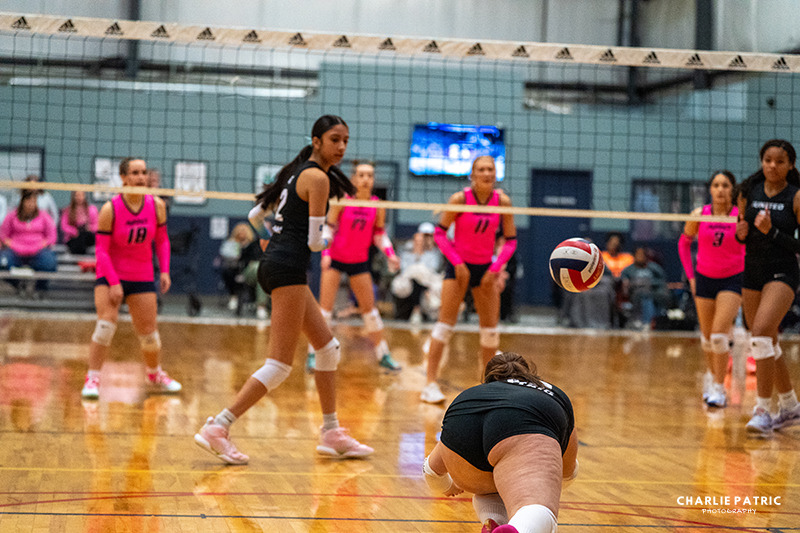
Sports photography for college recruitment plays a crucial role in showcasing athletes’ skills and potential to college scouts and coaches. Capturing the essence of a game, the intensity of competition, and the athleticism of players can make all the difference in a student-athlete’s recruitment process. In this post, we will explore the key elements involved in sports photography that can aid in college recruitment.
Understanding the Importance of Sports Photography
High-quality sports photography serves as a visual resume for aspiring college athletes. It not only highlights their physical abilities but also reflects their character and determination. Here are a few reasons why sports photography is essential for college recruitment:
- First Impressions Matter: Coaches often make initial judgments based on the photographs they see. A striking image can capture attention and spark interest.
- Showcase Skills: Action shots can demonstrate an athlete’s skills, speed, and agility, which are critical for recruitment.
- Highlighting Personality: Candid shots that capture an athlete’s expressions can provide insight into their passion and commitment to the sport.
Planning the Photoshoot
The planning phase is vital to ensure that the sports photography session is successful. Here are some steps to consider:
1. Choosing the Right Venue
Select a location that has good lighting and a suitable background for your photos. Natural light is often the best option, so aim for early morning or late afternoon shoots.
2. Equipment Preparation
Invest in quality camera gear that can handle high-speed action. Consider using:
- DSLR or mirrorless cameras with fast autofocus systems.
- Telephoto lenses for capturing close-up action from a distance.
- Tripods or monopods for stability, especially in low light.
3. Communication with Athletes
Discuss the goals of the shoot with the athletes. Understanding their expectations and what they hope to achieve will ensure you capture the right moments.
Capturing Action Shots
Action shots are the heart of sports photography for college recruitment. Here are some tips for capturing stunning images:
1. Anticipate the Action
Understanding the sport is crucial. Watch the game closely to predict where the action will unfold, allowing you to position yourself effectively.
2. Use Continuous Shooting Mode
Switching to burst mode allows you to take multiple shots in quick succession. This increases your chances of capturing the perfect moment.
3. Focus on Key Moments
Look for critical moments such as scoring plays, tackles, or celebrations. These shots can evoke emotion and excitement.
Post-Processing Techniques
Once you have captured the images, the next step is post-processing. This enhances the quality of your photos and makes them stand out:
1. Editing Software
Utilize software like Adobe Lightroom or Photoshop to fine-tune your images. Adjust exposure, contrast, and sharpness to bring out the best in your photos.
2. Cropping and Framing
Consider the composition of your images. Cropping can help focus on the athlete while removing unnecessary distractions in the background.
3. Consistent Style
Develop a consistent editing style that reflects your brand. This helps create a recognizable portfolio.
Creating a Portfolio for College Recruitment
A well-curated portfolio is essential for showcasing your work in sports photography. Here’s how to create an effective one:
1. Select Diverse Images
Include a variety of shots that demonstrate different skills, positions, and types of plays. This variety will appeal to a broader audience.
2. Highlight Key Athletes
Feature athletes who have successfully been recruited to college programs. This adds credibility to your portfolio.
3. Keep it Updated
Regularly update your portfolio with new images and remove older ones. This ensures that your work remains fresh and relevant.
Leveraging Social Media and Online Platforms
In today’s digital age, sharing your sports photography online is essential for reaching potential clients and athletes. Here are some strategies:
1. Utilize Social Media
Platforms like Instagram and Facebook are ideal for sharing your work. Use relevant hashtags, such as #SportsPhotography and #CollegeRecruitment, to increase visibility.
2. Create a Website
Your website should showcase your portfolio, services offered, and contact information. Ensure it is user-friendly and mobile-responsive.
3. Networking with Coaches and Athletes
Building relationships with coaches and athletes can lead to referrals. Attend games and events to meet potential clients and showcase your work.
Conclusion
Sports photography for college recruitment is a powerful tool that can significantly impact an athlete’s future. By understanding the process, from planning and shooting to editing and sharing your work, you can create compelling images that resonate with college recruiters. With the right approach, your photography can shine a light on the talent and dedication of aspiring athletes.