

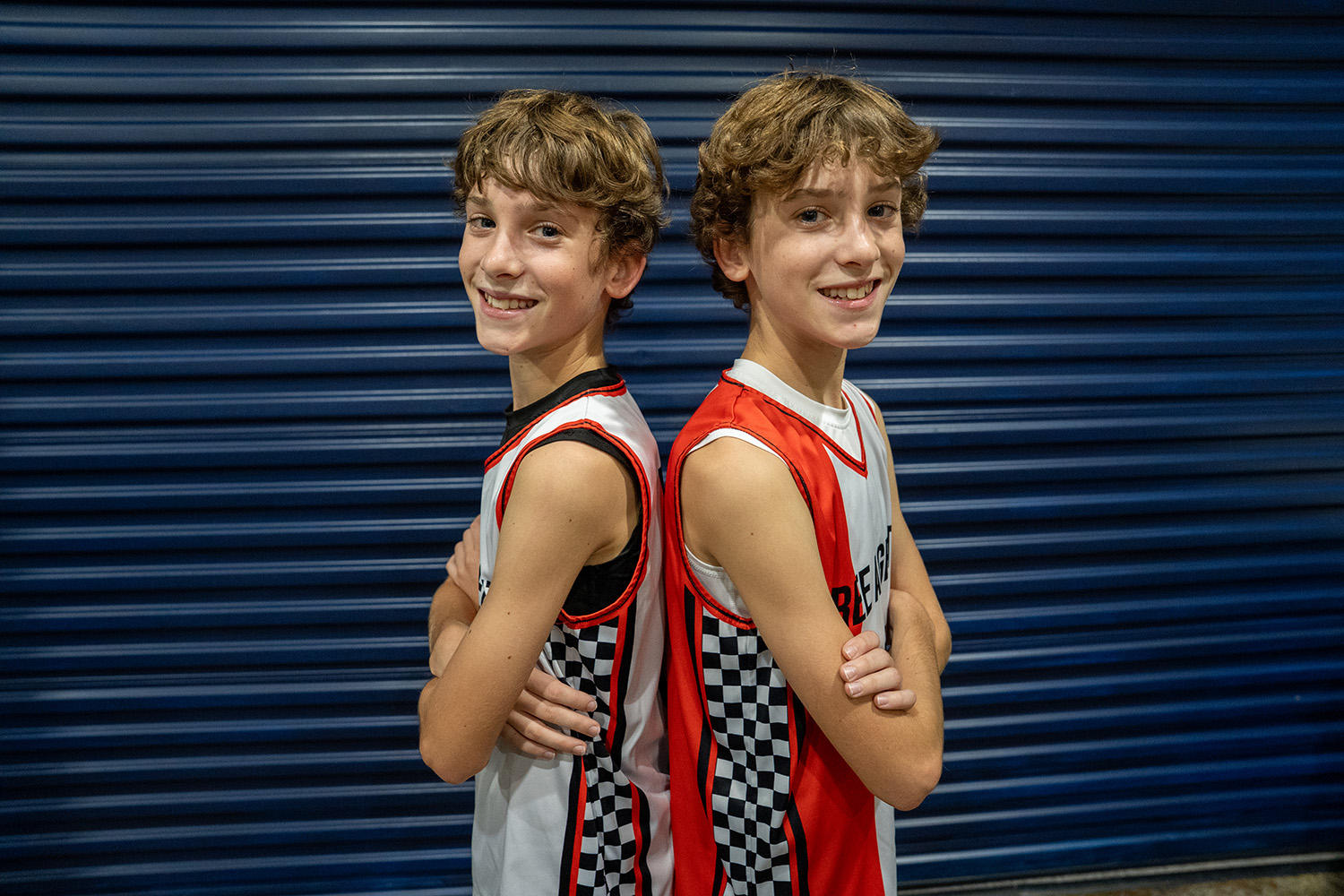
Capturing the energy and excitement of sports is an art form, and understanding the timeline of a sports photography session is essential for both photographers and enthusiasts. This guide will walk you through each stage of the process, from the initial setup to the final shot, ensuring you gain insights into how captivating sports images come to life.
Pre-Session Preparation
The preparation phase is crucial for any successful sports photography session. Here are the key steps involved:
- Research the Event: Understanding the specifics of the event helps in planning. Look into the teams, players, and any significant aspects that will influence your shots.
- Scout the Location: Visit the venue ahead of time to identify the best angles and lighting conditions. This will give you a strategic advantage on the day of the event.
- Check Equipment: Ensure your camera, lenses, and accessories are in optimal condition. Bring backups if possible, such as extra batteries and memory cards.
- Plan Your Shots: Think about the types of shots you want to capture – action shots, portraits, or candid moments. Create a shot list to stay organized.
Arrival at the Venue
Arriving early allows you to set up and acclimate to the environment:
- Set Up Your Gear: Unpack and set up your camera gear. Make sure everything is functioning properly and adjust settings based on the lighting conditions.
- Familiarize with the Area: Walk around the venue to find good vantage points. Understanding the layout will help you move efficiently during the event.
- Connect with Others: If you’re working with other photographers or media personnel, introduce yourself and share plans. Collaboration can lead to better coverage.
During the Event
This phase is where the action happens. Here’s what to focus on:
- Stay Alert: Keep your eyes on the field and be ready for spontaneous moments. Sports are unpredictable, and the best shots often happen in a split second.
- Adjust Settings: Continuously monitor your camera settings. Light conditions can change, and being able to adapt will ensure you capture the best images.
- Capture a Variety of Shots: Mix action shots with close-ups and environmental shots. This variety adds depth to your collection.
- Engage with the Players: If appropriate, interact with players. They may provide candid moments that enhance your storytelling.
Post-Event Wrap-Up
After the event, your work isn’t done yet. Follow these steps:
- Pack Up: Carefully pack your gear to avoid damage. Ensure all your equipment is accounted for before leaving the venue.
- Backup Your Photos: Immediately back up your images to prevent loss. Use multiple storage options for added security.
- Initial Review: Quickly review your images to identify standout shots. This will help you prioritize during the editing phase.
Editing Process
Editing is where your photos truly come to life. Here’s how to approach it:
- Organize Your Images: Sort your images by categories or events. This will streamline your editing process.
- Choose Your Favorites: Select the best images that highlight the event, focusing on both action and emotion.
- Edit Thoughtfully: Use editing software to enhance your images. Adjust exposure, contrast, and colors to make your photos pop while maintaining authenticity.
- Save and Export: Save your edits in high resolution and export them in the formats needed for sharing or publication.
Sharing Your Work
Once your images are ready, it’s time to share them with the world:
- Create a Portfolio: If you’re a professional, build an online portfolio to showcase your best work. This can attract potential clients.
- Utilize Social Media: Share your images on platforms like Instagram and Facebook. Engage with your audience and encourage them to share your work.
- Network with Publications: Reach out to sports publications or websites to see if they are interested in featuring your work.
Conclusion
The timeline of a sports photography session involves careful planning, quick thinking, and creative execution. By understanding each stage, you can enhance your skills and produce stunning images that capture the essence of sports. Whether you are a professional photographer or an enthusiastic amateur, this timeline serves as a valuable framework for your photography sessions.