

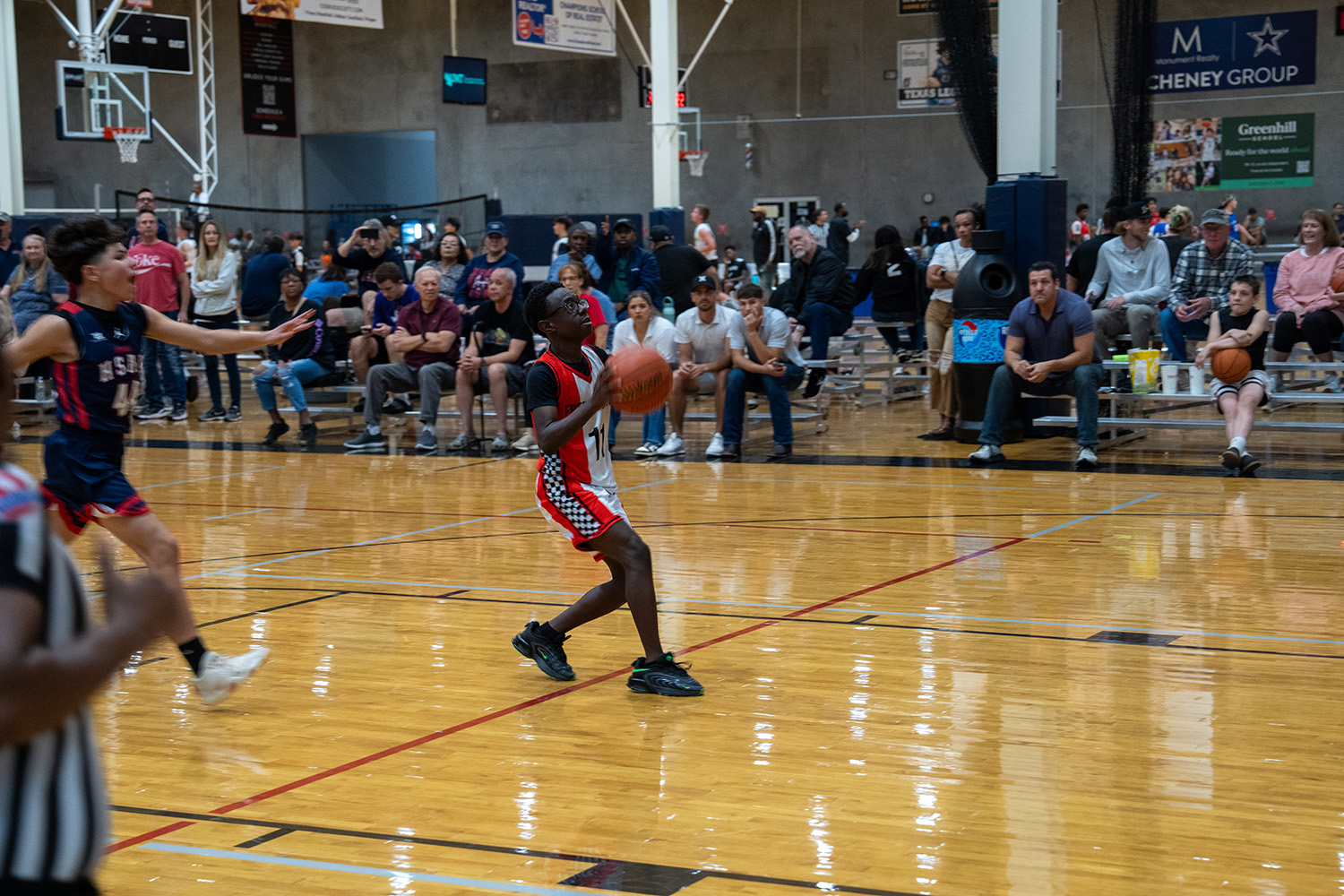
Sports photography requires a unique skill set and keen attention to detail. Capturing the energy and excitement of a game is no small feat. This guide will help you recognize the common missteps in sports photography and how to avoid them, ensuring you get the perfect shot every time.
The Importance of Preparation
Before you even step foot on the field or court, preparation is key to successful sports photography. Here are some common pitfalls to avoid:
- Not Knowing the Sport: Understanding the rules and flow of the sport you are shooting is crucial. It allows you to anticipate key moments and position yourself for the best shots.
- Ignoring the Venue: Each location has its own challenges. Visit the venue beforehand if possible, and familiarize yourself with lighting conditions, backgrounds, and potential obstacles.
- Neglecting Equipment Check: Always ensure your gear is in good working condition. Check your batteries, memory cards, and camera settings before the event starts.
Mastering Camera Settings
Getting your camera settings right is essential in sports photography. Here are some common mistakes to steer clear of:
- Using Automatic Mode: While automatic settings can be convenient, they often do not deliver the best results in fast-paced environments. Switch to manual or semi-manual settings to gain more control.
- Incorrect Shutter Speed: A common error is using too slow of a shutter speed, resulting in blurry images. For sports photography, aim for a shutter speed of at least 1/500th of a second.
- Improper Focus Settings: Make sure to set your camera to continuous autofocus mode. This helps in tracking fast-moving subjects effectively.
Framing Your Shots
Composition can make or break your photographs. Here are some framing mistakes to avoid:
- Too Much Dead Space: Be mindful of the background and ensure your subject is the focus. Avoid excessive dead space which can detract from the action.
- Ignoring the Rule of Thirds: Positioning your subject off-center can create a more dynamic composition. Use the grid feature on your camera to help with this.
- Not Capturing the Emotion: Sports are about passion and emotion. Focus on the players’ faces and interactions during key moments to tell a compelling story.
Post-Processing Considerations
Editing your sports photos can enhance their quality, but be cautious of these common editing pitfalls:
- Over-Editing: While it’s tempting to use heavy filters, over-editing can detract from the authenticity of your images. Aim for a natural look.
- Neglecting Color Correction: Make sure to adjust exposure and color balance. Poor color can ruin an otherwise great shot.
- Not Backing Up Your Work: Always have a backup plan. Store your images in multiple places to prevent loss.
Building Your Portfolio
Creating a strong portfolio is essential for any sports photographer. Here are some pitfalls to avoid:
- Focusing Only on Quantity: Quality over quantity is key. Select your best work to showcase, rather than overwhelming viewers with too many images.
- Neglecting Diversity: Include a variety of sports and moments in your portfolio. This demonstrates versatility and can attract a wider range of clients.
- Failing to Update: Regularly update your portfolio with new work. This keeps your skills fresh and shows clients your current abilities.
Networking and Promotion
Finally, networking is vital in building your career in sports photography. Here are common missteps in this area:
- Not Engaging with Others: Build relationships with athletes, coaches, and fellow photographers. Networking can lead to new opportunities and collaborations.
- Ignoring Social Media: Use platforms like Instagram and Facebook to showcase your work. Engaging with a community can help you gain visibility.
- Failing to Market Yourself: Create a website or blog to display your portfolio and offer insights into your work. This helps potential clients find you easily.
Final Thoughts
Sports photography is an exciting field that captures the essence of athleticism and competition. By avoiding these common missteps, you can enhance your skills and provide stunning images that resonate with viewers. Whether you are shooting local games or professional events, remember that each shot is an opportunity to tell a story through your lens.