

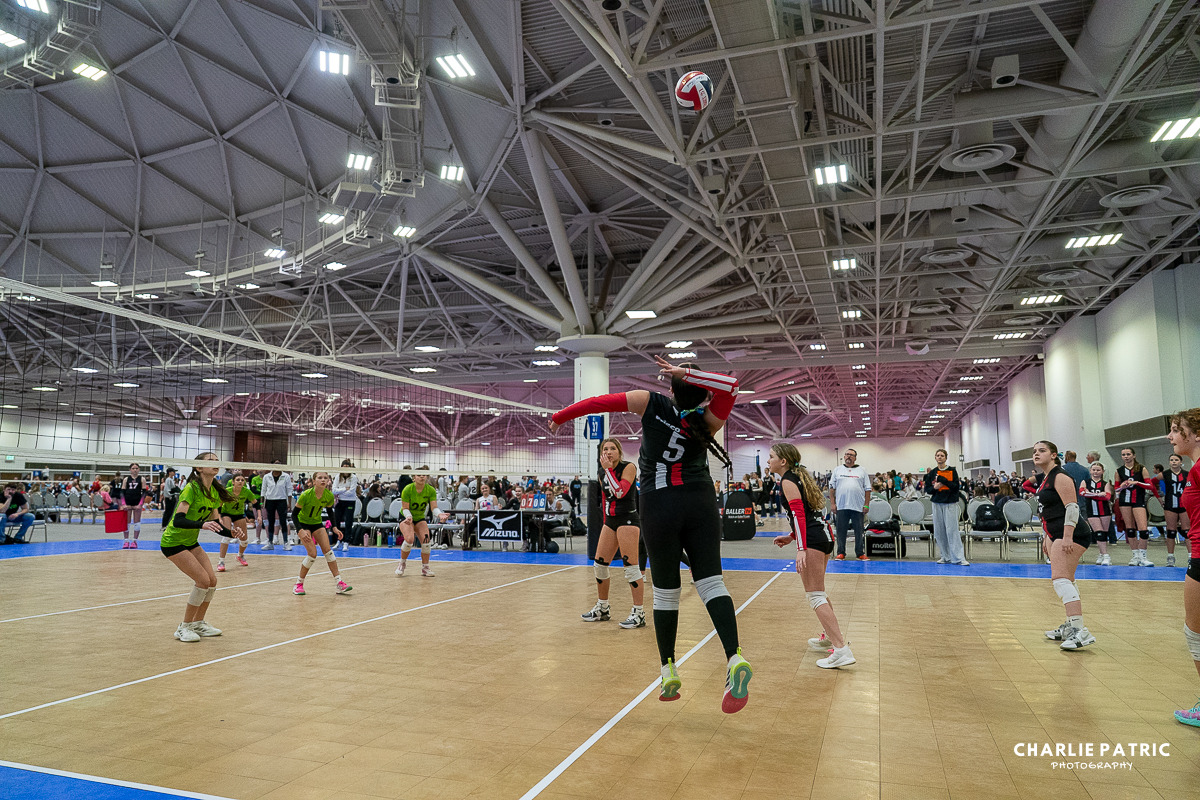
At Charlie Patric Photography, we’ve dedicated countless hours on the sidelines of sports events in Frisco, Texas, perfecting the game shot. Yet, those moments of action and emotion are only the first step. The magic continues in the editing phase, where our sports photos truly come to life. It’s a myth that the editing process is interchangeable across different genres of photography. Each genre, including sports photography, requires a specific set of techniques and skills to highlight what makes the subject unique and impactful.
Myth: Brightness and Contrast Are the Magic Keys
It’s a common misconception that adjusting brightness and contrast are the go-to steps for editing sports photos for impact. While these elements are essential in managing the overall look of your images, they can often overshadow the vibrant energy or the emotional intensity that make sports photography compelling. This over-reliance on brightness and contrast can result in images that look harsh, unnatural, or flat.
Reality: Pay Attention to Color and Detail
In sports photography, your primary focus should be on foregrounding the action and emotion of the image. This involves paying attention to color and detail. Enhancing the saturation or vibrancy of colors can draw attention to a player’s uniform or the stadium field, making the action appear vivid and lifelike. Meanwhile, sharpening and noise reduction can emphasize fine details like the sweat on a player’s face or the texture of a basketball, adding depth and realism to your images.
Editing Sports Photos: Myth vs Reality
Some believe that there’s a universal formula for editing sports photos. Borrowing tactics from portrait or wedding photography, for example, is a tempting shortcut. However, unlike those forms of photography, sports photography isn’t about capturing flattering angles or glamorous moments.
Reality: Tailor Your Editing Process
Instead, sports photography is about encapsulating the joy of the win, the disappointment of defeat, and the thrill of the competition. This necessitates an editing process that is specifically tailored to highlight these elements, and varies depending on the sport, the lighting, and even the mindset of the player. A sunset baseball game in Frisco, Texas, for instance, will require different editing considerations from an indoor basketball match.
Common Mistakes in Editing Sports Photos
One common mistake is over-editing. Novices often overuse tools like saturation, clarity, and sharpness, leading to images that seem unrealistic or overly manicured. Another common error is relying solely on presets or filters. While these can save time, they often lead to photos that look generic and lack individuality.
When Another Option May Make More Sense
While sports photography is a dynamic and exciting field, it’s not always the best fit for every scenario. Event photography, for instance, is preferable if the focus is to capture the overall atmosphere, crowd reactions, and behind-the-scenes moments of the event. And in cases when an up-close and personal portrait of an athlete is needed, a detailed portrait photography session can bring out the athlete’s personality and character beyond their sports persona.
A Real-World Perspective on Editing Sports Photos from Charlie Patric Photography
After years of shooting and editing sports photos in Frisco, we, at Charlie Patric Photography, have learned that every image tells a story. And that story is not just about the players and the game, but also about the passion, dedication, and emotions that go beyond the field. It’s our loyal fans filling the bleachers, it’s the sheer joy of our youth leagues scoring their first goal, and it’s the fierce competition of our professional athletes. Every game, every shot, every edit is part of that story.
The Unseen Advantage of Understanding Your Subject Matter
While it’s often overlooked, having a deep understanding of the sport you’re photographing provides a distinct advantage. Knowing the rules, strategies, and rhythms of a sport helps you anticipate key moments and capture them from the most impactful angles. This insight is not something achievable by a generic AI article or a photographer without experience in sports photography.
Editing sports photos for impact is not a one-size-fits-all process. It requires understanding the unique needs and nuances of sports photography, constant learning and experimentation, and above all, a love for the game. For more information on this topic, check out this comprehensive guide on photo editing from Adobe.