

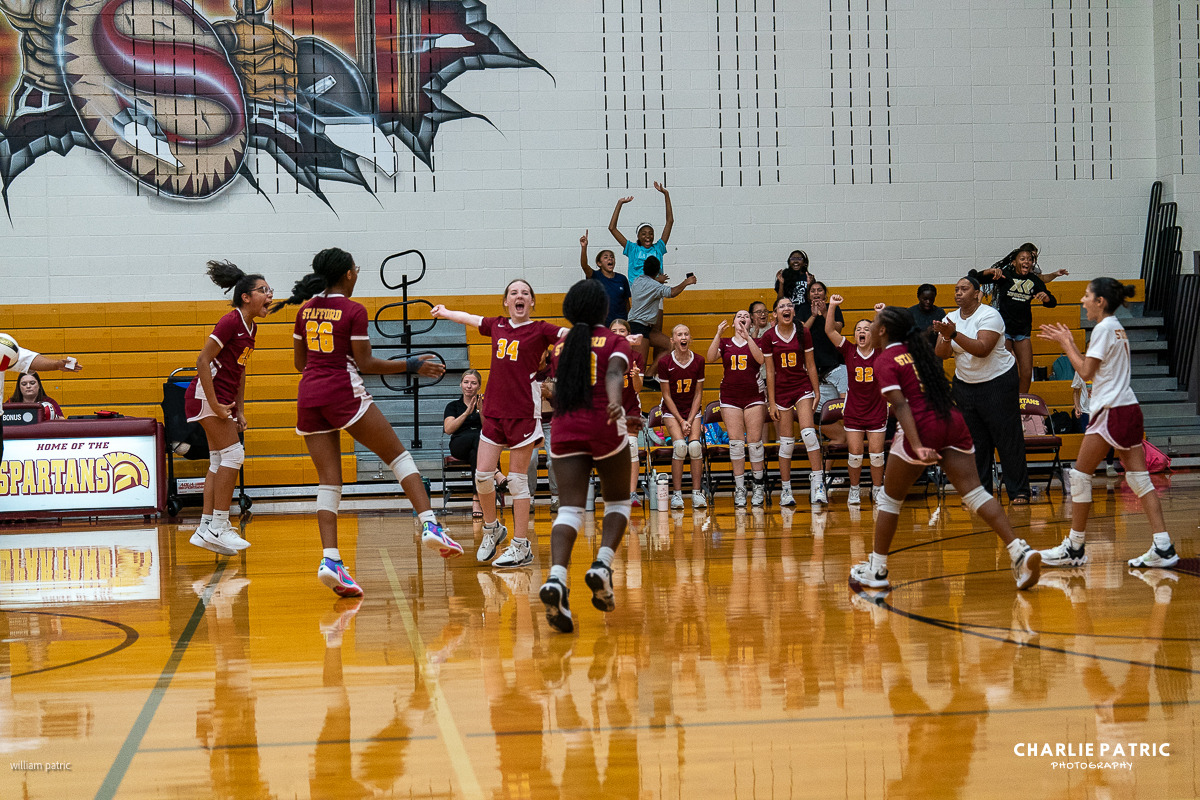
As a professional photographer based in Frisco, Texas, I regularly encounter the question: Are expensive lenses always the best lenses for sports photography? In the photography industry, the lens plays a significant role, particularly in sports photography, where the action is brisk and agility is crucial. Let’s dive deep and explore the truth behind this prevalent myth.
Price vs. Performance: The Best Lenses Debate
The connection between the price of a lens and its effectiveness in sports photography is not as simple as it seems. Expensive lenses often come loaded with better build quality, advanced features, and brand reputation. However, this doesn’t automatically translate into producing the best photos.
Several mid-range lenses perform exceptionally well in sports photography contexts, due to their focus speed, image stabilization, and good zoom range. For instance, the Canon 70-200mm f/4 provides an excellent zoom range, fast autofocus, and sharp image quality without breaking the bank.
Expensive Lenses: The Advantages
Expensive lenses tend to have better build quality, able to withstand varying weather conditions – an important trait for sports photographers often shooting outdoors. They usually have faster autofocus speeds, critical for capturing split-second sports action. High-end lenses also generally offer superior image quality with less distortion or aberration.
Mid-Range Lenses: Cost-Effective Champions
On the other side, mid-range lenses offer a great balance of performance and budget. With the right skills, you can make extraordinary shots using a less costly lens. For instance, the Sigma 70-200mm F2.8 offers excellent optics and a durable build, rivaling some of the best lenses on the market.
The Lens Isn’t the Whole Story
At Charlie Patric Photography, we believe the most critical component in capturing great sports photos isn’t just the equipment, but the photographer’s skills and knowledge. Understanding the sport, predicting the action, perfect framing, and the right exposure are all vital factors beyond the lens.
Misconceptions That Surprise Many
One common misconception I often encounter in Frisco is that sporting arenas always have great lighting. This isn’t always true. Indoor venues or evening games can cause lighting challenges. In such cases, a lens with a wider maximum aperture can be beneficial. But remember, some mid-priced lenses also offer these capabilities.
Sports Photography vs. Event Photography
In Frisco’s lively sports culture, event photography and sports photography often intersect. It’s crucial to understand how their requirements differ. Events may allow for slower lenses and more staged shots. In contrast, sports events require rapid autofocus and the ability to capture action-packed moments, often much more demanding on the lens.
Recommendations from Charlie Patric Photography
At the end of the day, the key lies not in the most expensive lens but in the one that fits your needs the best. As a professional sports photographer, I’ve used both high-end and mid-range lenses and produced great results with both. A quality lens does aid performance, but it’s equally important to invest time and resources into honing your skills and understanding the nuances of sports photography.
Conclusion: Busting the Myth of the Best Lenses
While expensive lenses can offer superior build and image quality, they are not always the absolute best choice for sports photography. A mid-range lens, in the hands of a skilled photographer, can work wonders and capture extraordinary sporting moments just as effectively. Ensuring you have the right lens for the right situation, and honing your photography skills, is far more critical. For more insights on the best lenses for sports photography, check out this comprehensive guide.