

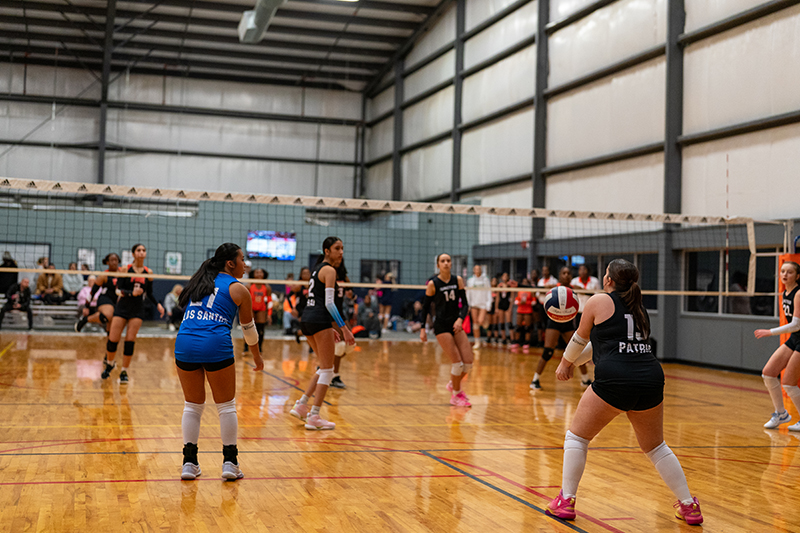
Sports photography is an exciting yet challenging field that requires quick reflexes, an eye for detail, and a solid understanding of camera settings. As photographers aim to capture the thrill of the game, they often encounter common frustrations that can hinder their ability to produce stunning action shots. This article will explore these challenges and offer practical solutions to enhance your sports photography experience.
Understanding the Common Challenges
Before diving into solutions, it’s essential to understand the typical frustrations associated with sports photography. Here are some of the most prevalent issues:
- Unpredictable Movements: Athletes move quickly and unpredictably, making it difficult to capture the perfect shot.
- Low Light Conditions: Many sporting events take place indoors or during the evening, leading to challenging lighting conditions.
- Focus Issues: Keeping your subjects in focus while they move can be tricky, especially in fast-paced environments.
- Composition Challenges: Framing a shot while considering the background and other elements can be complex.
- Equipment Limitations: Not all cameras or lenses are suited for sports photography, and using the wrong gear can affect your results.
Strategies to Overcome Unpredictable Movements
One of the biggest hurdles in sports photography is dealing with the unpredictable movements of athletes. Here are some strategies to help you capture those dynamic moments:
1. Use Continuous Shooting Mode
Most modern cameras come equipped with a continuous shooting mode, which allows you to take multiple shots in quick succession. This feature is invaluable for sports photography as it increases your chances of capturing the perfect moment.
2. Anticipate Movements
Study the sport you are photographing. By understanding the players’ movements and strategies, you can position yourself to capture key moments. This knowledge will help you anticipate when action is about to happen.
3. Pre-Focus on Key Areas
Instead of waiting for the action to unfold, pre-focus your lens on areas where you expect the action to take place. This technique allows you to react quickly when the moment arrives.
Dealing with Low Light Conditions
Low light situations can be particularly challenging in sports photography. Here are some techniques to overcome this obstacle:
1. Use a Fast Lens
A lens with a wide aperture (like f/2.8 or wider) is essential for low-light sports photography. A fast lens allows more light to reach the sensor, helping to maintain image quality and reduce motion blur.
2. Increase ISO Sensitivity
Raising your camera’s ISO can improve performance in low light. Be cautious, though, as higher ISO settings can introduce noise. Find a balance that allows for clear images without sacrificing too much quality.
3. Utilize Image Stabilization
If your camera or lens has image stabilization, use it. This feature helps reduce blur caused by camera shake, especially when shooting at slower shutter speeds.
Enhancing Focus Accuracy
In sports photography, keeping your subjects in sharp focus is crucial. Here are tips to achieve better focus:
1. Use Auto-Focus Settings Wisely
Modern cameras often have autofocus settings tailored for fast-moving subjects. Familiarize yourself with these settings and choose the one that best suits the action you’re capturing.
2. Use Back-Button Focus
Back-button focus allows you to separate the focus function from the shutter button. This technique can give you more control, especially when tracking moving subjects.
3. Consider Manual Focus
In some situations, manual focus might be more effective, especially when you know where the action will happen. This can be particularly useful in sports where players follow a predictable path.
Mastering Composition
Good composition can sports photography. Here are some tips to help you frame your shots effectively:
1. Follow the Rule of Thirds
Positioning your subject off-center can create more dynamic images. Use the rule of thirds as a guideline to place your subjects in a way that draws the viewer’s eye.
2. Capture Emotion
Sports are not just about the action; they are also about the emotions involved. Look for moments of triumph, frustration, and determination to add depth to your images.
3. Use Leading Lines
Incorporate elements in the scene that lead the viewer’s eye toward the subject. This can help create a more engaging composition.
Choosing the Right Equipment
The right gear plays a significant role in sports photography. Here’s what to consider:
1. Camera Body
A camera with fast burst rates and good low-light performance is ideal for sports photography. Consider models with quick autofocus systems as well.
2. Lenses
Telephoto lenses are often preferred in sports photography for their ability to bring distant subjects closer. Look for lenses that offer a fast aperture to achieve better results in varying light conditions.
3. Accessories
Investing in a sturdy tripod can help stabilize your shots, especially in low-light conditions. Additionally, consider protective gear for your camera to withstand outdoor conditions.
Conclusion
While sports photography presents unique challenges, understanding these common frustrations and implementing effective strategies can greatly enhance your ability to capture stunning action shots. By preparing adequately, using the right techniques, and selecting appropriate equipment, you can overcome obstacles and create compelling images that showcase the excitement of sports.