


Adjusting your viewfinder at a thrilling sports event? You’re in the right place. In this blog post, we’ll dive into several key elements to consider in sports photography. These tips just might get you that perfect shot!
Understanding the Sports Photography
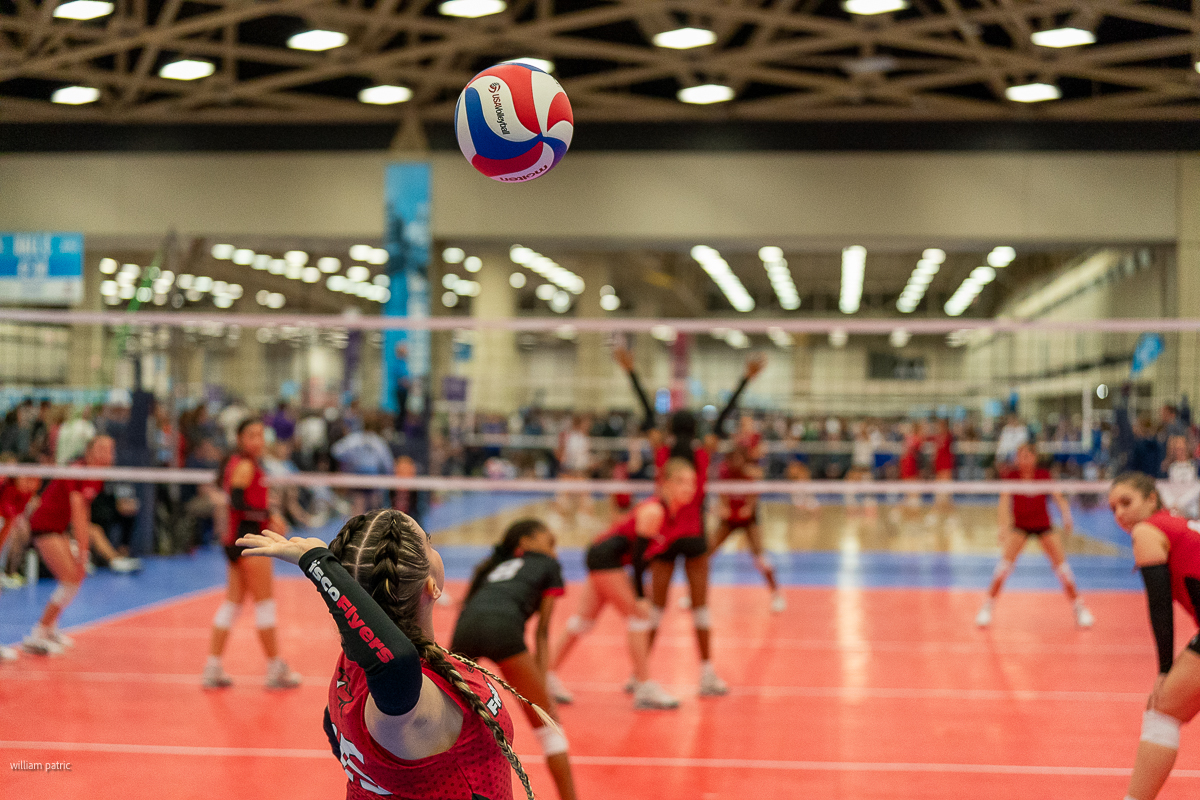
Sports photography isn’t standard; it’s an intriguing mix of detail, motion, and emotion. It’s about capturing fleeting moments that embody the spirit and intensity of the game. To master this, there are a few crucial elements that you need to consider.
Get to Know the Sport
Knowing the sport you’re photographing is more than advantageous—it’s essential. Understanding the rules, tactics, and key players will allow you to anticipate the next move and position yourself . Familiarizing yourself with the sport helps you predict the unpredictable moments that make sports photography so compelling.
Camera Equipment for Sports Photography
Quality gear is a crucial aspect of sports photography. It doesn’t mean you need the most expensive camera, but certain features will help dramatically.
Fast shutter speed
In sports photography—where every second counts—a fast shutter speed is necessary to freeze the action in a sharp, clear image. This typically means a shutter speed of at least 1/1000th of a second.
Multiple Frames Per Second
Your camera should be able to shoot multiple frames per second. This will allow you to capture a sequence of actions to choose the best shot. Different cameras offer various frame rates, but a speed of 5 frames per second or above is recommended for sports photography.
Telephoto Lens
When shooting sports, you’re often not close to the action. A good telephoto lens will allow you to get close-up shots of players, even from a distance.
Set The Correct Exposure
Lighting conditions can change rapidly during sporting events, and it’s crucial to ensure your exposure is set correctly. Utilizing a camera’s auto ISO setting can help manage these changes and help maintain a suitable exposure. It’s important to keep an eye on this as too high an ISO can result in noisy images.
Framing and Composition in Sports Photography
The rule of thirds still applies in sports photography—placing points of interest along the lines or intersections makes an image more balanced and will draw the viewer’s eye. Capture the setting and emotion as well as the action. A powerful shot often includes a balance of player focus, surrounding action, and audience reaction.
Practice Makes Perfect
The last but most crucial element in sports photography is practice. While the technical aspects of photography can be learned, getting that fantastic shot comes down to experience and being in the right place at the right time. Practice shooting in diverse sports situations, analyze your results, and learn from them.
By considering these key elements, anyone can hone their sports photography skills. It’s all about the right mix of knowledge, gear, and practice. What are you waiting for? Grab your gear and get out there!