

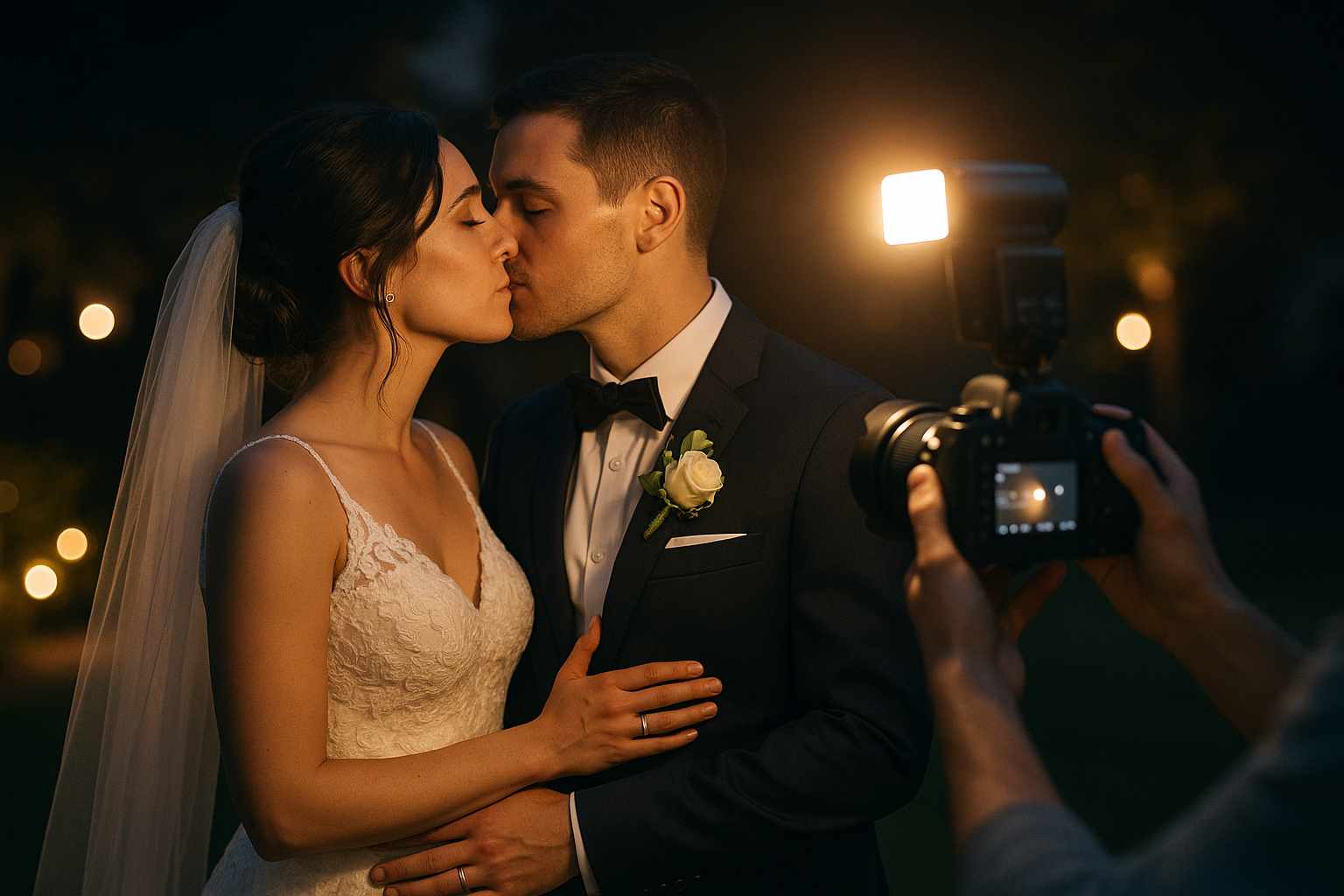
The challenge of photographing a wedding is capturing the emotion, joy, and beauty of the occasion. One major element of this is the ambient lighting. At Charlie Patric Photography, we understand the importance of producing perfect wedding photos, even in low light situations. This article provides valuable insights into how you can seize those spectacular moments when the lighting isn’t perfect.
Understanding Low Light Conditions
Low light in photography refers to situations where the amount of light available is less than ideal for shooting. This can significantly affect the quality of the images you capture. In wedding photography, low light situations can occur in indoor settings, during sunset hours, or at night receptions.
Preparation Is Key to Triumph Over Low Light
Preparation can make a significant difference in your ability to capture perfect wedding photos in low light. Here are a few pointers to consider:
- Visit the Venue: Familiarize yourself with the wedding venue. Understanding the lighting situation and planning accordingly will pay rich dividends.
- Test Your Gear: Before the event, test your camera and lenses in low light situations. This will give you a good idea about what to expect and how to adapt on the actual day.
- Prepare for Post-Editing: Understand that post-editing is part of the process when it comes to low light photography. Be ready for this.
Choosing the Right Equipment
To succeed in low light wedding photography, it is important to have and use the right equipment. Here are some equipment recommendations:
- Fast Lenses: Lenses with large maximum apertures are called fast lenses. They allow you to capture more light, which is invaluable in low light conditions.
- Prime Lenses: Prime lenses, especially those with a wide aperture, perform well under low light conditions. The 50mm 1.8 or the 85mm 1.8 lenses are good choices for wedding photographers dealing with low light.
- Speedlights: External flashes, or speedlights, can add necessary light to a scene.
- Higher-End Cameras: Full-frame cameras like the Canon 5D or Nikon D750 are built to handle low light conditions very well.
Navigating the Low Light Shooting Process
Understanding the techniques of shooting in low light will enhance the quality of your wedding photos significantly. Here are some methods to consider:
- Use Manual Mode: This gives you complete control over your exposure.
- Check Your ISO: The ISO setting determines how sensitive your camera is to light. You may need to use a higher ISO in low light, but be careful of noise.
- Consider Your Shutter Speed: The slower the shutter speed, the more light your camera will capture. However, this increases the risk of blurry pictures due to camera shake or subject motion.
- Shoot in RAW: Shooting in RAW will give you a lot of leeway in post-production, which is crucial in low light situations.
Post-Processing: Final Touch to Perfect Wedding Photos
Good editing can often make the difference between a run-of-the-mill image and a breathtaking photo. When dealing with low light wedding images, these are some editing tips you can follow:
- Adjust Exposure: You may need to increase the exposure of your low light photos. Be careful not to overexpose the images.
- Work on Noise Reduction: Noise can be a problem in low light photos. Use the noise reduction feature in your editing software to minimize this.
- Sharpen the Image: Low light can sometimes make images look soft. Utilize the sharpening tools to maintain crispness in your photos.
In conclusion, seizing perfect wedding photographs in low light can be a daunting task for many. But with the right preparation, equipment usage, shooting techniques, and productive post-editing, you can transform this challenge into an opportunity for dazzling images. At Charlie Patric Photography, we always strive to bring light to your most cherished moments, even when the setting seems dim.