

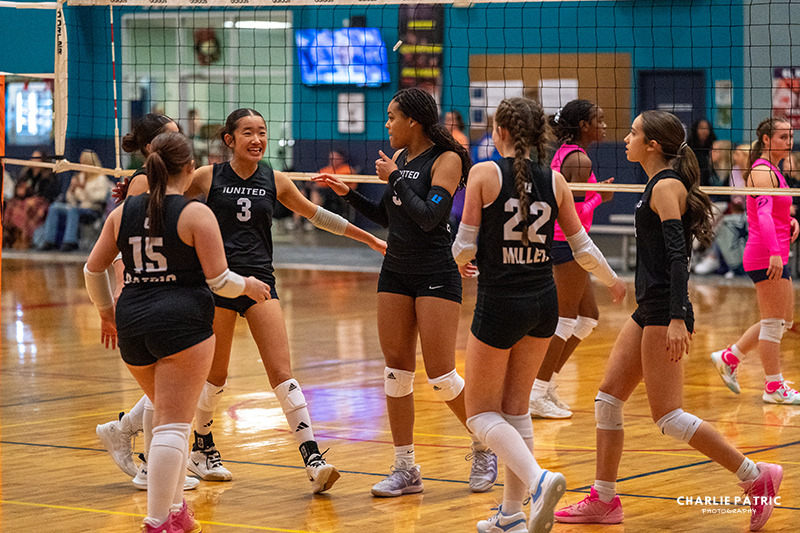
Sports photography for college recruitment plays a crucial role in showcasing an athlete’s skills and personality. High-quality images can make a significant difference in how college coaches perceive potential recruits. In this post, we will explore what you can expect from professional sports photography services aimed at college recruitment.
Understanding the Importance of Sports Photography
As an athlete, your visual presence online can impact your recruitment opportunities. Coaches often rely on photographs to assess a player’s abilities, work ethic, and overall potential. High-quality sports photography can highlight your strengths effectively, making it essential for any aspiring collegiate athlete.
Key Elements of Sports Photography for College Recruitment
When you invest in sports photography for college recruitment, there are several key elements to consider:
- Action Shots: These dynamic images capture the athlete in motion, showcasing their skills during gameplay.
- Posed Portraits: Professional portraits can convey the athlete’s personality and off-field presence, which is also important to recruiters.
- Variety of Angles: Different perspectives can highlight various aspects of an athlete’s performance, providing a well-rounded view of their capabilities.
- Quality of Images: High-resolution images are essential. Blurry or poorly lit photos can detract from the athlete’s appeal.
What to Look for in a Sports Photographer
Choosing the right sports photographer can make or break your recruitment experience. Here are some tips for selecting a professional:
- Experience: Look for a photographer with a solid portfolio in sports photography who understands the demands of capturing athletes in action.
- Style: Review their previous work to ensure their style aligns with what you envision for your recruitment photos.
- Equipment: A professional photographer should use high-quality cameras and lenses to ensure the best possible image quality.
- Client Testimonials: Reading reviews from former clients can give you insight into their professionalism and results.
Preparing for a Sports Photography Session
Preparation is key to a successful photoshoot. Here are some steps to ensure you get the best results:
- Choose the Right Location: Select a venue that best represents your sport. Whether it’s a field, court, or track, the setting matters.
- Wear Appropriate Gear: Make sure to wear your team uniform and any relevant gear to present yourself in the best light.
- Warm Up: Just like in a game, warming up helps you perform better in front of the camera.
- Communicate with Your Photographer: Discuss your goals and share any specific shots you have in mind to ensure your vision is captured.
What Happens After the Photoshoot?
Once the session is complete, you can expect the following:
- Photo Selection: You’ll have the opportunity to review and select the best images that represent your athletic profile.
- Editing Process: Professional photographers usually edit the selected images to enhance their quality, ensuring they are ready for sharing.
- Delivery: Images will typically be delivered digitally, allowing easy access for sharing with coaches and on social media platforms.
Using Sports Photography for Recruitment
Once you have your images, it’s time to use them effectively:
- Social Media: Share your photos on platforms like Instagram, Twitter, and Facebook to reach a wider audience of coaches and recruiters.
- Recruitment Profiles: Add your professional photos to recruitment websites and profiles, making a strong first impression.
- Networking: Use the photos in emails to coaches, giving them a visual representation of your skills.
Conclusion
Investing in sports photography for college recruitment is a strategic move for any athlete serious about their future. By understanding what to expect from professional services, you can ensure that your images effectively showcase your talents and enhance your recruitment profile. Take the time to prepare, choose the right photographer, and use your photos wisely to maximize your chances of being noticed by college coaches.